Dr. Nitin Gore, an experienced MD Medicine consultant and diabetes specialist in Thane & Bhiwandi, offers comprehensive care for type 1 and type 2 diabetes. Advanced treatment options include GLP-1 analogues and customised insulin therapy, ensuring better sugar control, fewer complications, and improved long-term health.
Diabetes is a condition that happens when your blood sugar (glucose) is too high. It develops when your pancreas doesn’t make enough insulin or any at all, or when your body isn’t responding to the effects of insulin properly. Diabetes affects people of all ages. Most forms of diabetes are chronic (lifelong), and all forms are manageable with medications and/or lifestyle changes.
Glucose (sugar) mainly comes from carbohydrates in your food and drinks. It’s your body’s go-to source of energy. Your blood carries glucose to all your body’s cells to use for energy.
When glucose is in your bloodstream, it needs help — a “key” — to reach its final destination. This key is insulin (a hormone). If your pancreas isn’t making enough insulin or your body isn’t using it properly, glucose builds up in your bloodstream, causing high blood sugar (hyperglycemia).
Over time, having consistently high blood glucose can cause health problems, such as heart disease, nerve damage and eye issues.
The technical name for diabetes is diabetes mellitus. Another condition shares the term “diabetes” — diabetes insipidus — but they’re distinct. They share the name “diabetes” because they both cause increased thirst and frequent urination. Diabetes insipidus is much rarer than diabetes mellitus.
How common is diabetes?
Diabetes is common.
About 537 million adults across the world have diabetes. Experts predict this number will rise to 643 million by 2030 and 783 million by 2045.
What are the symptoms of diabetes?
Symptoms of diabetes include:
Increased thirst (polydipsia) and dry mouth.
Frequent urination.
Fatigue.
Blurred vision.
Unexplained weight loss.
Numbness or tingling in your hands or feet.
Slow-healing sores or cuts.
Frequent skin and/or vaginal yeast infections.
It’s important to talk to your healthcare provider if you or your child has these symptoms.
Additional details about symptoms per type of diabetes include:
Type 1 diabetes: Symptoms of T1D can develop quickly — over a few weeks or months. You may develop additional symptoms that are signs of a severe complication called diabetes-related ketoacidosis (DKA). DKA is life-threatening and requires immediate medical treatment. DKA symptoms include vomiting, stomach pains, fruity-smelling breath and labored breathing.
Type 2 diabetes and prediabetes: You may not have any symptoms at all, or you may not notice them since they develop slowly. Routine bloodwork may show a high blood sugar level before you recognize symptoms. Another possible sign of prediabetes is darkened skin on certain parts of your body (acanthosis nigricans).
Gestational diabetes: You typically won’t notice symptoms of gestational diabetes. Your healthcare provider will test you for gestational diabetes between 24 and 28 weeks of pregnancy.
How is diabetes diagnosed?
Healthcare providers diagnose diabetes by checking your glucose level in a blood test. Three tests can measure your blood glucose level:
Fasting blood glucose test: For this test, you don’t eat or drink anything except water (fast) for at least eight hours before the test. As food can greatly affect blood sugar, this test allows your provider to see your baseline blood sugar.
Random blood glucose test: “Random” means that you can get this test at any time, regardless of if you’ve fasted.
A1c: This test, also called HbA1C or glycated hemoglobin test, provides your average blood glucose level over the past two to three months.
To screen for and diagnose gestational diabetes, providers order an oral glucose tolerance test.
How is diabetes managed?
Diabetes is a complex condition, so its management involves several strategies. In addition, diabetes affects everyone differently, so management plans are highly individualized.
The four main aspects of managing diabetes include:
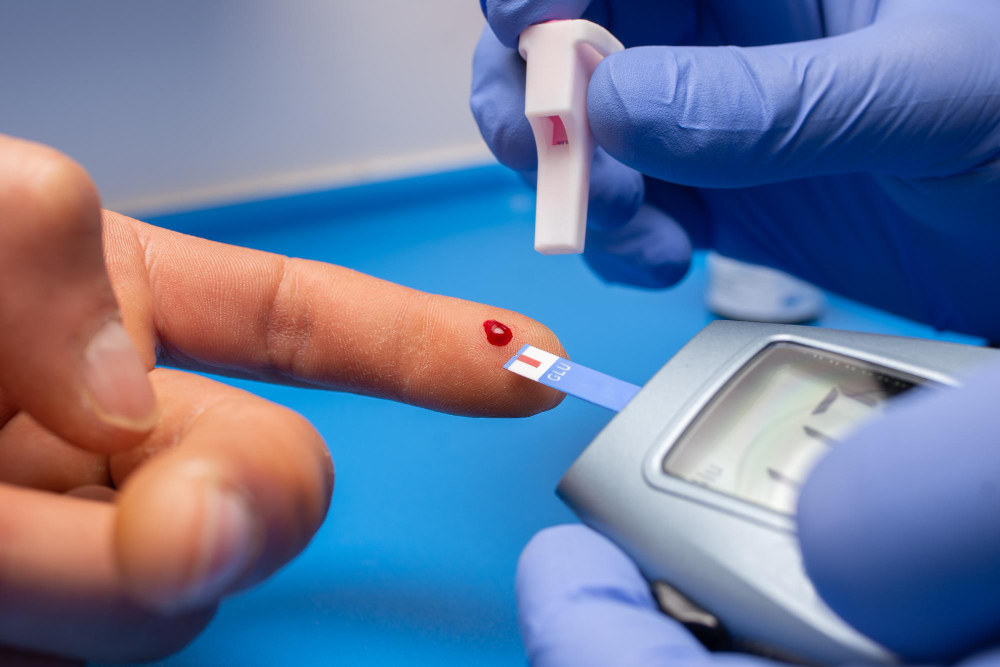
Blood sugar monitoring: Monitoring your blood sugar (glucose) is key to determining how well your current treatment plan is working. It gives you information on how to manage your diabetes on a daily — and sometimes even hourly — basis. You can monitor your levels with frequent checks with a glucose meter and finger stick and/or with a continuous glucose monitor (CGM). You and your healthcare provider will determine the best blood sugar range for you.
Oral diabetes medications: Oral diabetes medications (taken by mouth) help manage blood sugar levels in people who have diabetes but still produce some insulin — mainly people with Type 2 diabetes and prediabetes. People with gestational diabetes may also need oral medication. There are several different types. Metformin is the most common.
Insulin: People with Type 1 diabetes need to inject synthetic insulin to live and manage diabetes. Some people with Type 2 diabetes also require insulin. There are several different types of synthetic insulin. They each start to work at different speeds and last in your body for different lengths of time. The four main ways you can take insulin include injectable insulin with a syringe (shot), insulin pens, insulin pumps and rapid-acting inhaled insulin.
Diet: Meal planning and choosing a healthy diet for you are key aspects of diabetes management, as food greatly impacts blood sugar. If you take insulin, counting carbs in the food and drinks you consume is a large part of management. The amount of carbs you eat determines how much insulin you need at meals. Healthy eating habits can also help you manage your weight and reduce your heart disease risk.
Exercise: Physical activity increases insulin sensitivity (and helps reduce insulin resistance), so regular exercise is an important part of management for all people with diabetes.
Due to the increased risk for heart disease, it’s also important to maintain a healthy:
Weight.
Blood pressure.
Cholesterol.
You can’t prevent autoimmune and genetic forms of diabetes. But there are some steps you can take to lower your risk for developing prediabetes, Type 2 diabetes and gestational diabetes, including:
Eat a healthy diet, such as the Mediterranean diet.
Get physically active. Aim for 30 minutes a day at least five days a week.
Work to achieve a weight that’s healthy for you.
Manage your stress.
Limit alcohol intake.
Get adequate sleep (typically 7 to 9 hours) and seek treatment for sleep disorders.
Quit smoking.
Take medications as directed by your healthcare provider to manage existing risk factors for heart disease.
It’s important to note that there are some diabetes risk factors you can’t change, such as your genetics/family history, age and race. Know that Type 2 diabetes is a complex condition that involves many contributing factors.
Source: Cleveland Clinic