Dr. Gore specializes in managing high blood pressure and reducing the risk of heart attack, stroke, and cardiovascular disease. His holistic approach includes advanced diagnostics, effective medications, and lifestyle modification support, making him a leading choice for hypertension treatment in Thane & Bhiwandi.
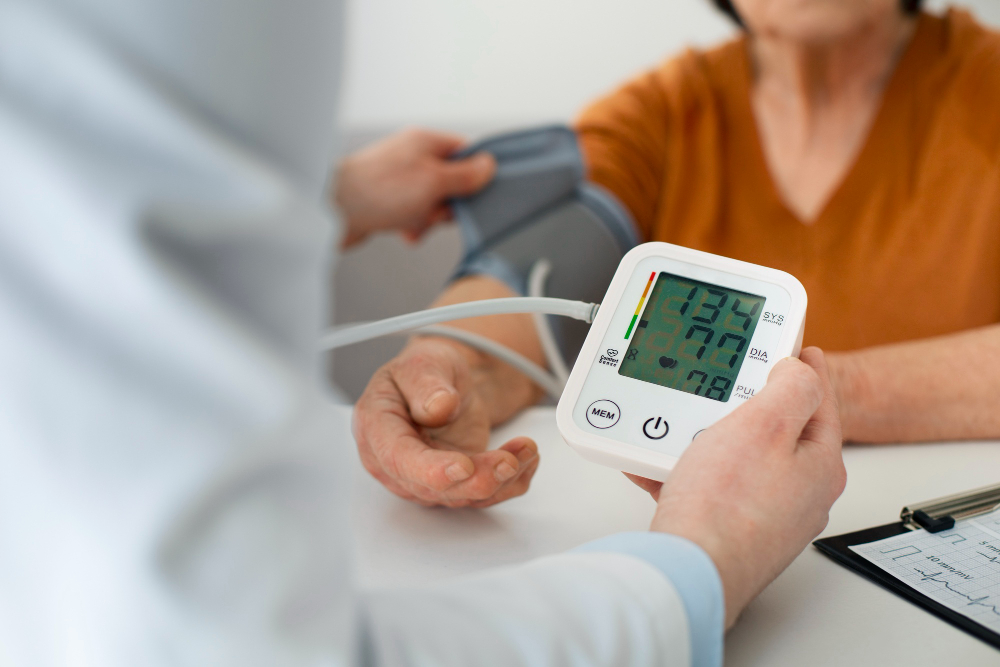
Hypertension (high blood pressure) is when the pressure in your blood vessels is too high (140/90 mmHg or higher). It is common but can be serious if not treated.
People with high blood pressure may not feel symptoms. The only way to know is to get your blood pressure checked.
An estimated 1.4 billion adults aged 30–79 years worldwide had hypertension in 2024; this represents 33% of the popluation in this age range.
Recent estimates place the prevalence of hypertension in India between 28.1% and 35.5% of adults.
Two-thirds of adults aged 30–79 years who have hypertension live in low- and middle-income countries like India.
An estimated 600 million adults with hypertension (44%) are unaware that they have the condition.
Most people with hypertension don’t feel any symptoms. Very high blood pressures can cause headaches, blurred vision, chest pain and other symptoms.
People with very high blood pressure (usually 180/120 or higher) can experience symptoms including:
severe headaches
chest pain
dizziness
difficulty breathing
nausea
vomiting
blurred vision or other vision changes
anxiety
confusion
buzzing in the ears
nosebleeds
abnormal heart rhythm
If you are experiencing any of these symptoms and a high blood pressure, seek care immediately.
Modifiable risk factors include unhealthy diets (excessive salt consumption, a diet high in saturated fat and trans fats, low intake of fruits and vegetables), physical inactivity, consumption of tobacco and alcohol, and being overweight or obese. In addition, there are environmental risk factors for hypertension and associated diseases, where air pollution is the most significant.
Non-modifiable risk factors include a family history of hypertension, age over 65 years and co-existing diseases such as diabetes or kidney disease.
Lifestyle changes can help lower high blood pressure. These include:
eating a healthy, low-salt diet
losing weight
being physically active
quitting tobacco.
If you have high blood pressure, your doctor may recommend one or more medicines. Your recommended blood pressure goal may depend on what other health conditions you have.
There are several common blood pressure medicines:
ACE inhibitors including enalapril and lisinopril relax blood vessels and prevent kidney damage.
Angiotensin-2 receptor blockers (ARBs) including losartan and telmisartan relax blood vessels and prevent kidney damage.
Calcium channel blockers including amlodipine and felodipine relax blood vessels.
Diuretics including hydrochlorothiazide and chlorthalidone eliminate extra water from the body, lowering blood pressure.
Lifestyle changes can help lower high blood pressure and can help anyone with hypertension. Many who make these changes will still need to take medicine.
Do:
Eat more vegetables and fruits.
Sit less.
Be more physically active, which can include walking, running, swimming, dancing or activities that build strength, like lifting weights.
Lose weight if you’re overweight or obese.
Take medicines as prescribed by your health care professional.
Keep appointments with your health care professional.
Don’t:
eat too much salty food (try to stay under 2 grams per day)
eat foods high in saturated or trans fats
smoke or use tobacco
drink too much alcohol (1 drink daily max for women, 2 for men)
miss or share medication.
Source: World Health Organization